



In the range of BIBUS you will find, among other things, clinch machines, both stationary and mobile machines. Replacing spot welding with clinching achieves various economic and environmental benefits. This article explains exactly how clinching works, what the advantages of clinching are, and the other range of BIBUS is also highlighted.
How does clinching work?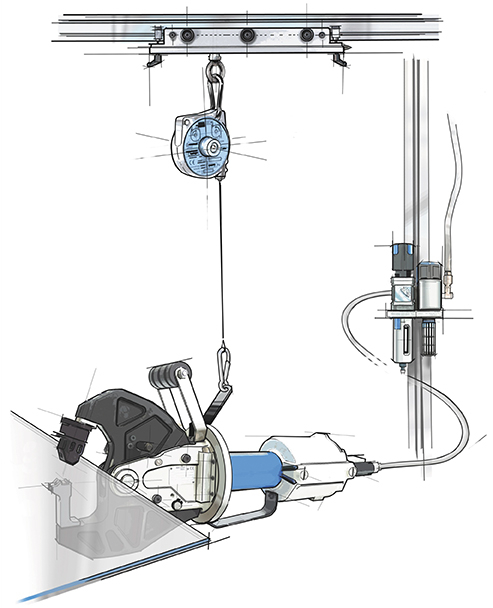
Clinching can be defined as the joining of sheet metal by localized cold forming processes of the materials. This means that no heat is released, as is the case with spot welding. During the clinching process of SPOT CLINCH® / RIVCLINCH®, the materials are first pressed into the mold with the punch. Once the first layer of material rests on the anvil of the die, the material begins to deform from the stamping pressure applied. The movable mold sections are pushed out and the sheet metal deformation forms the knot-shaped connection.
The punch is then returned to its starting position by the operator (or by a pneumatic timer that removes the force). The connected part can now be removed and the side parts of the mold retracted together by a mechanical spring.
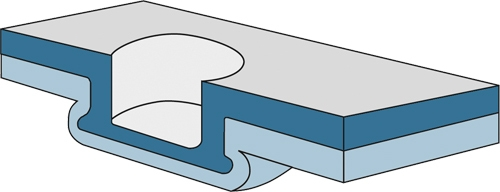
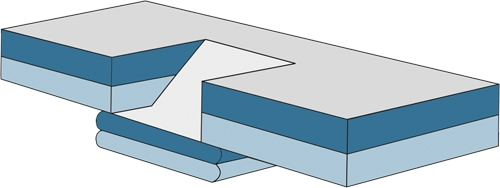
BIBUS clinch machines offer two different connection options, a round clinch and a rectangular clinch. These two variants can be seen in the image below. The round clinch is gas and waterproof and has a high corrosion and fatigue resistance. The rectangular clinch is preferred for harder materials (such as stainless steel) or multiple layers of sheet steel. The BIBUS specialists are happy to help you select the right clinch machine for your application.
The clinch machines from the BIBUS range are used to connect steel, aluminum and stainless steel materials. Any materials such as plastic, paper, sealant or glue do not adversely affect the connection. Coated and painted metals can also be easily joined together without damaging the surface finish. The maximum force varies, as does the maximum thickness of the sheet metal, per series and model of clinch machine. Click here to view the different models.
What are the benefits of clinching?
Clinching is not only used as an alternative to spot welding. Clinching also has a wide range of advantages over rivets, screws, dolls and self-tapping:
-
Clinching enables connecting various materials, such as copper, aluminum, steel and stainless steel;
-
Coated and lacquered plates can also be connected;
-
No sparks, fumes or heat are released at the connections made by clinching;
-
The energy consumption of clinch machines is low, making clinching very environmentally friendly;
-
Conduction properties of plates are not affected by clinching;
-
Clinch machines have a long service life, which means that clinching is also a cost saving compared to other connection techniques;
-
Clinching is reliable, you are guaranteed a strong connection.
Where is clinching used?
It is clear that the use of clinch machines has many advantages. This is also the reason why the machines are used in various applications and markets. For example, in the construction of air ducts (HVAC), in bodywork construction, and in the construction of white goods, displays / showcases and storage systems, clinching is often used.
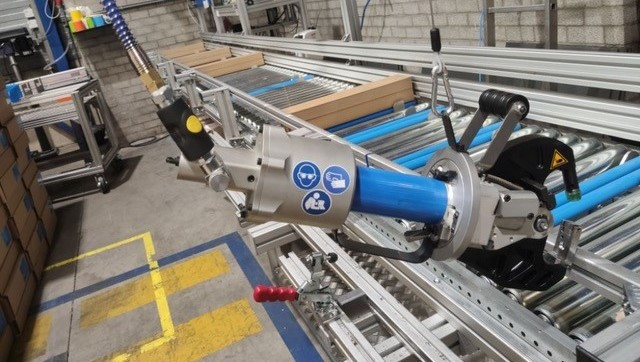
In the practical example of DOCO International, the application of a mobile clinch machine is described. DOCO uses the technique to mechanically connect metal profiles of rail sets. You will find more information in the practical application.
The assortment of clinch machines
BIBUS has a wide range of customer-specific clinch machines, which can be viewed online via the webshop. The range can be divided into mobile clinch machines and stationary clinch machines. The series of both variants are produced by the Swiss brand Böllhoff Attexxor SA. BIBUS represents the manufacturer for the Dutch market. Both variants are explained below.
Mobile clinch machines
In the BIBUS range you will find four different series of mobile clinch machines. The FS series is light and quick and easy to use thanks to the hydraulic booster. The IP series has a larger opening and works 100% pneumatically, resulting in almost no necessary maintenance. The PASS series has a characteristic larger C-frame, which makes these machines widely applicable. The latest mobile series, the Tagger, is an ultra light machine intended for attaching sheet metal to edges and flat panels.
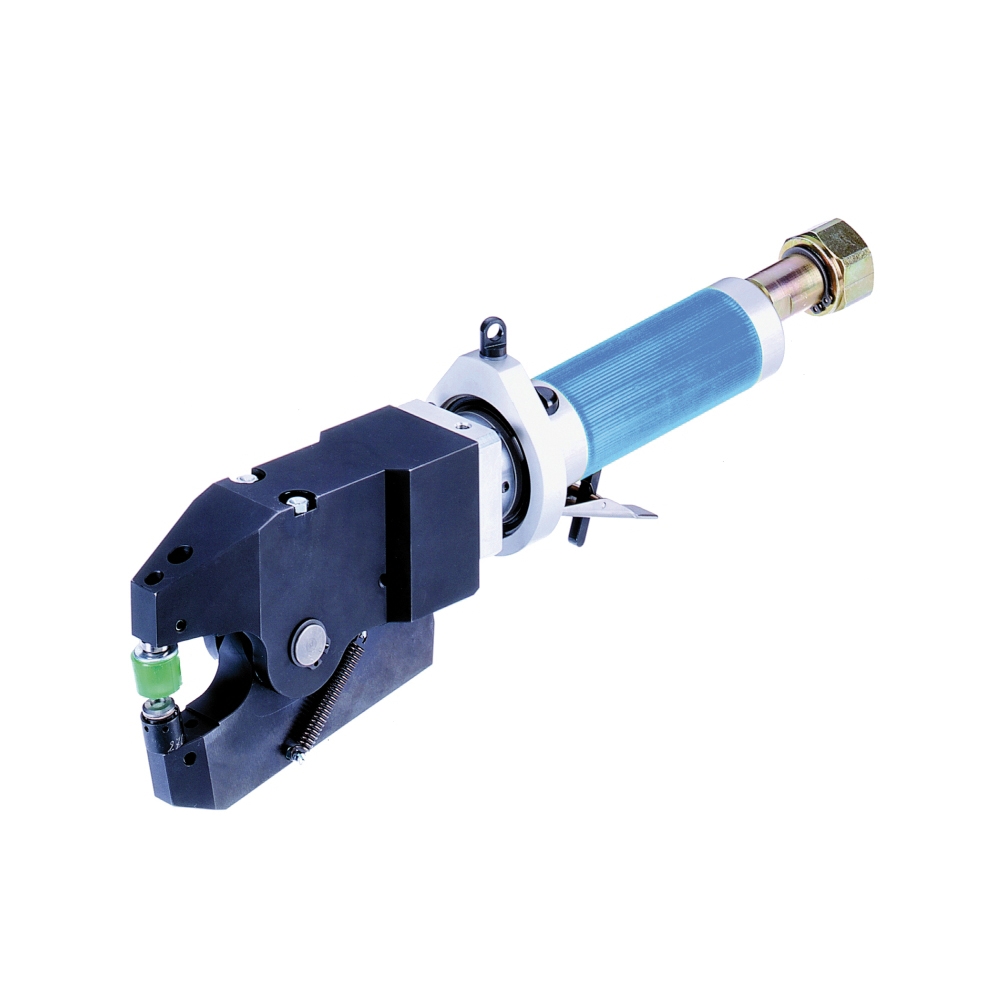
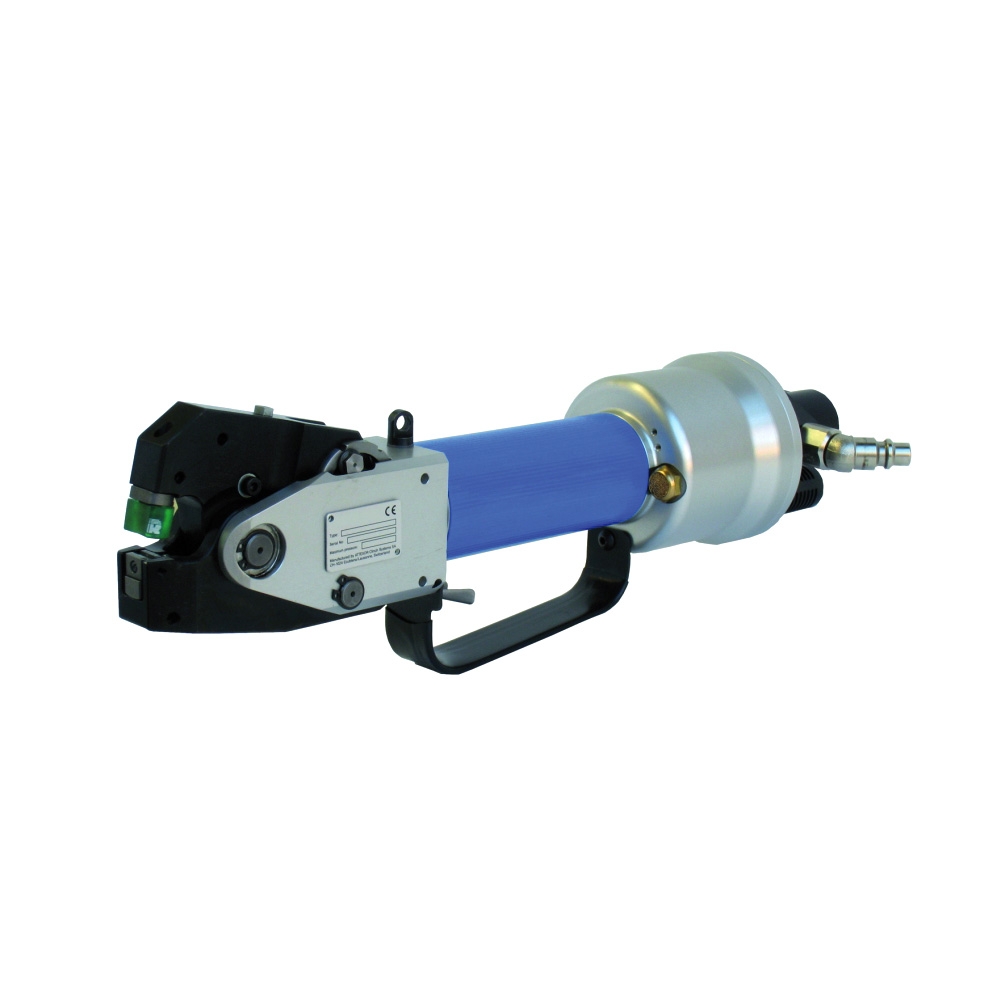
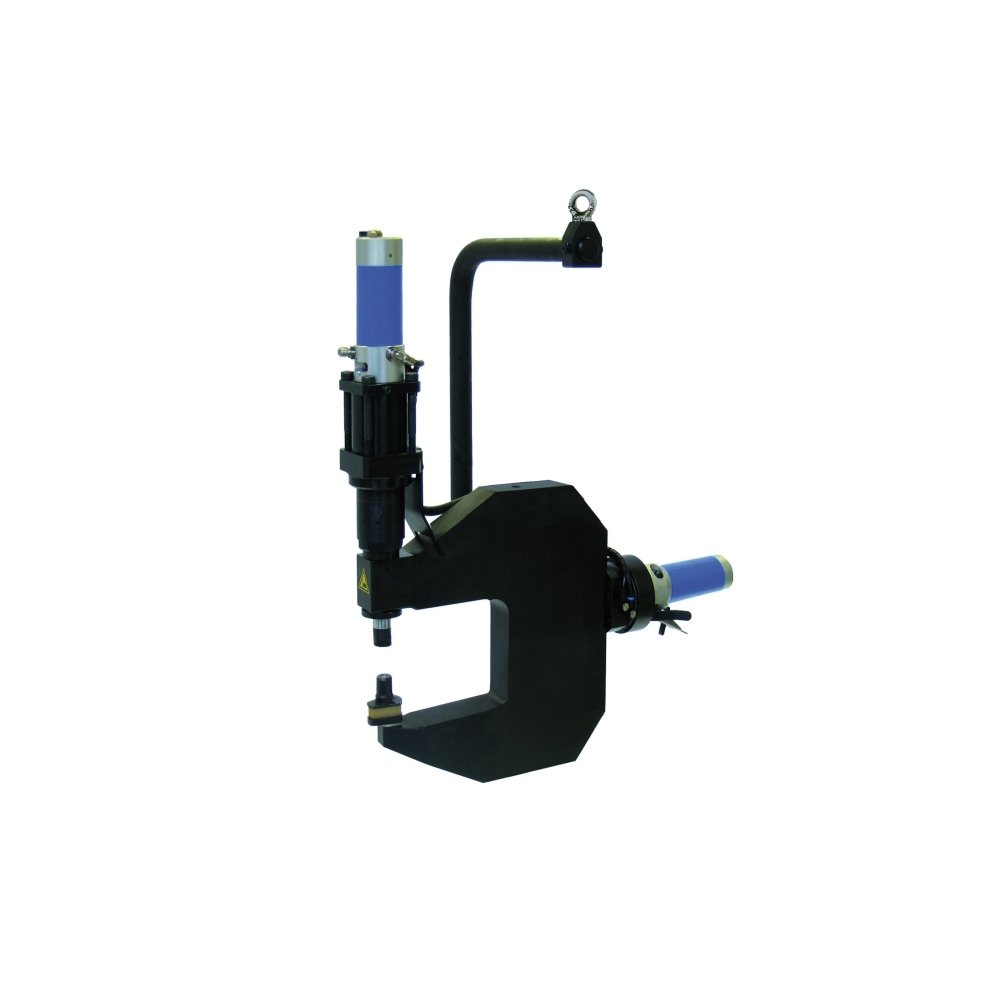
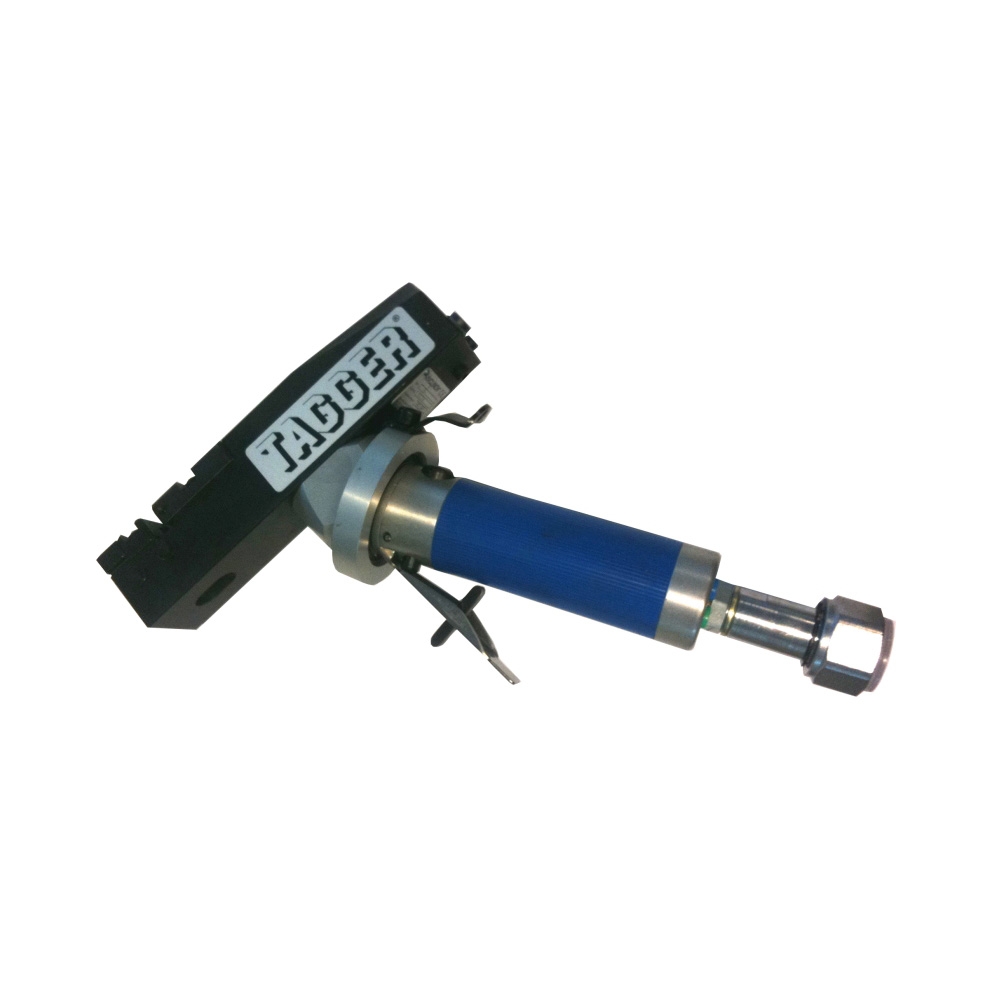
Stationary / modular clinch machines
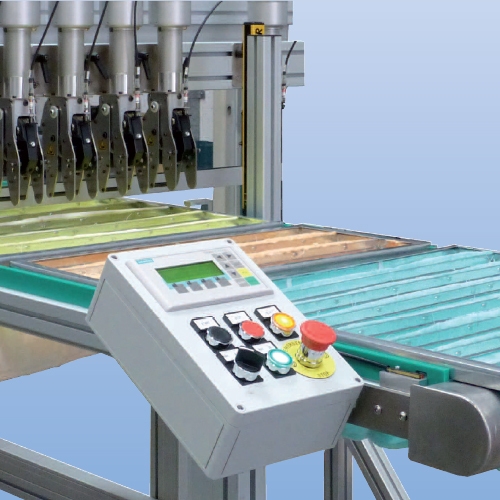
The stationary series makes it possible to combine different clinching tools, according to specific applications. The P35 series is the most widely used clinching system worldwide due to its light weight, small dimensions and great dynamic force. The P75 offers a higher connecting force (55 kN) than the P35, but is considered an intermediate size in the range. The P200 / P300S series has the height pressing force (max 300 kN).
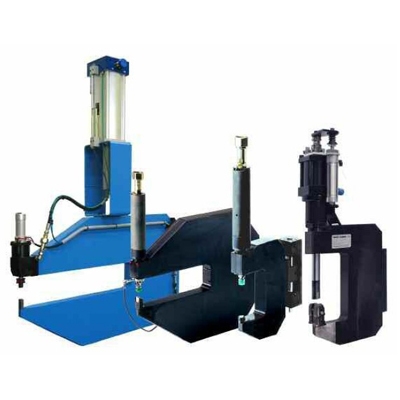
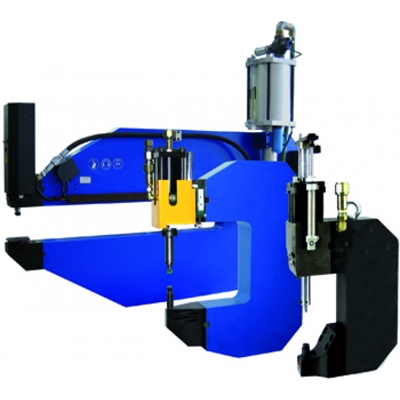
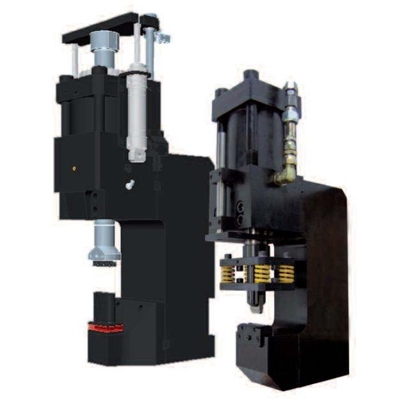
Ordering a clinch machine
Due to the many variants and various applications, purchasing a clinch machine is not easy. The BIBUS specialists are happy to help you select the right machine. You can contact BIBUS by telephone or e-mail without obligation for tailor-made advice.


